
The risks of choosing an event venue for large events without the right infrastructure
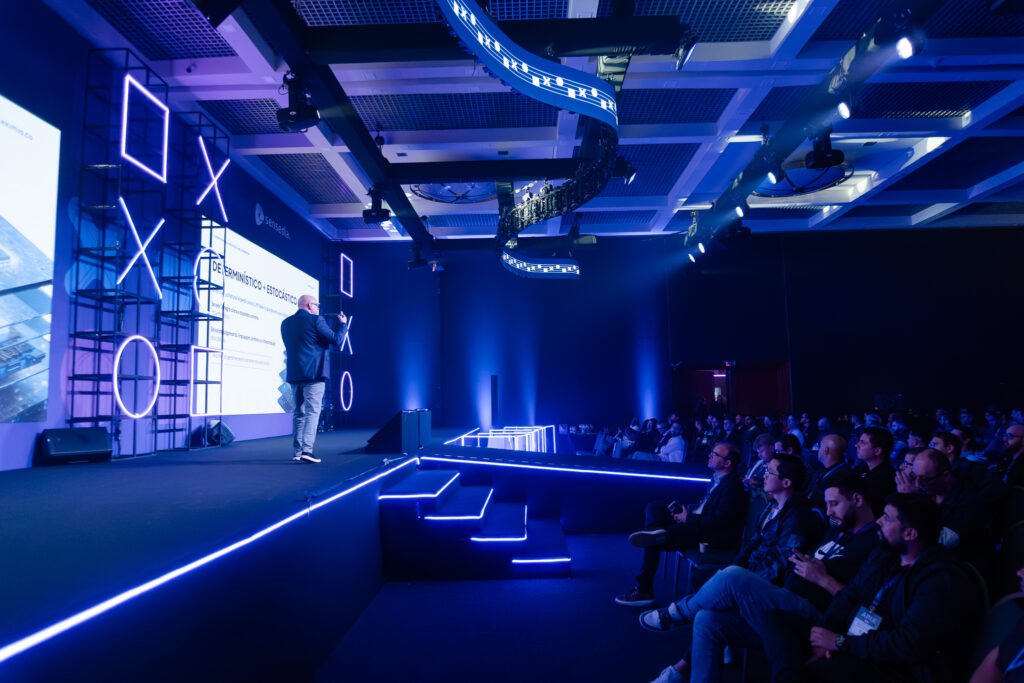
Choosing an event venue for large events requires more than checking capacity. Infrastructure, technology, accessibility, catering, circulation and logistics all contribute to a smooth operation and a better attendee experience.
Live Marketing: Event Trends Shaping 2027
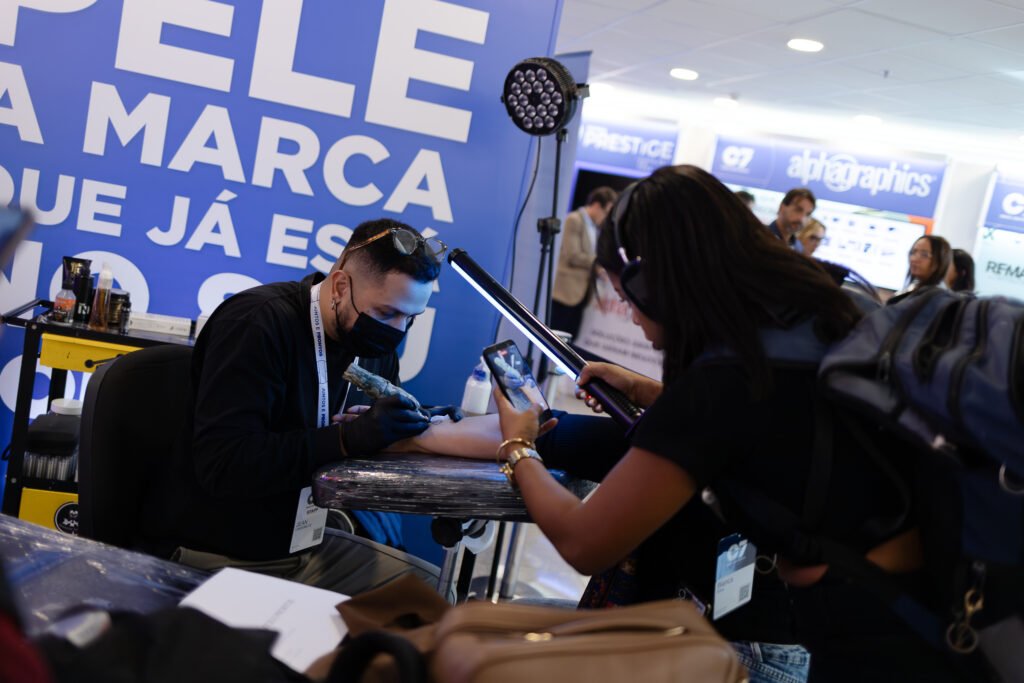
The 2026 World Cup highlights trends that could transform the events industry in 2027. Frictionless experiences, digital journeys, AI, personalized hospitality and seamless crisis management point to a new era of Live Marketing, where technology and data help create more relevant connections.
Simultaneous Events: How to Host Different Meetings in One Venue
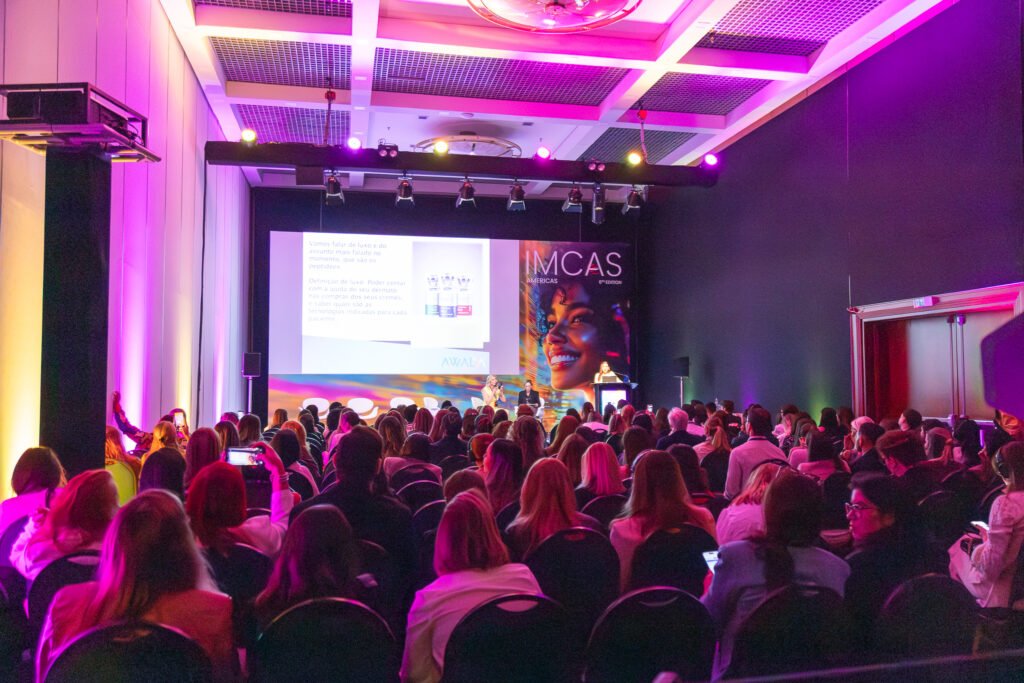
Simultaneous events allow companies to bring together different audiences, teams and activities in the same venue and period. With flexible spaces, integrated planning and the right infrastructure, different meetings can take place efficiently while maintaining a positive participant experience.
Phone-Free Events Grow 567% Worldwide: What Can They Teach B2B Events?
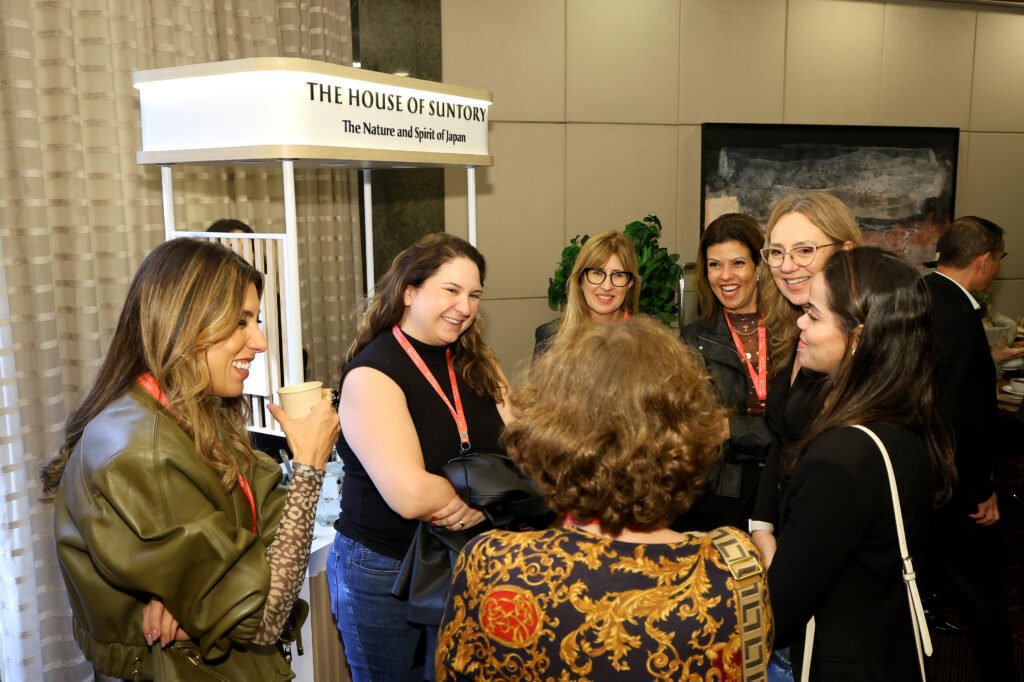
Phone-free events are growing worldwide, highlighting the value of in-person experiences. Discover what this trend can teach B2B events about connection, interaction and the strategic use of technology.
August Was a Busy Month Full of Connections at WTC Events Center
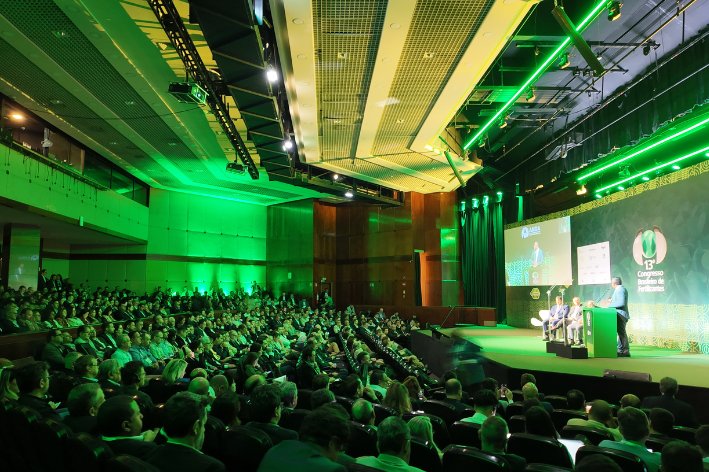
August was a month of major connections at WTC Events Center, with events covering technology, security, agribusiness, supply chain, watchmaking, wine tourism and gastronomy. Throughout the month, the venue brought together professionals, companies and leaders for experiences focused on knowledge, business and new opportunities.
Gastronomy and tourism: experiences that strengthen brands at events

Gastronomy and tourism at events can transform corporate gatherings into more complete and memorable experiences. Menus, services, accommodation, location and opportunities to explore the destination all contribute to how participants perceive a brand. When these elements are incorporated into the planning process, the event expands its potential for connection, relationship building and the creation of positive memories.
WTC São Paulo Complex: where business, events and hospitality connect
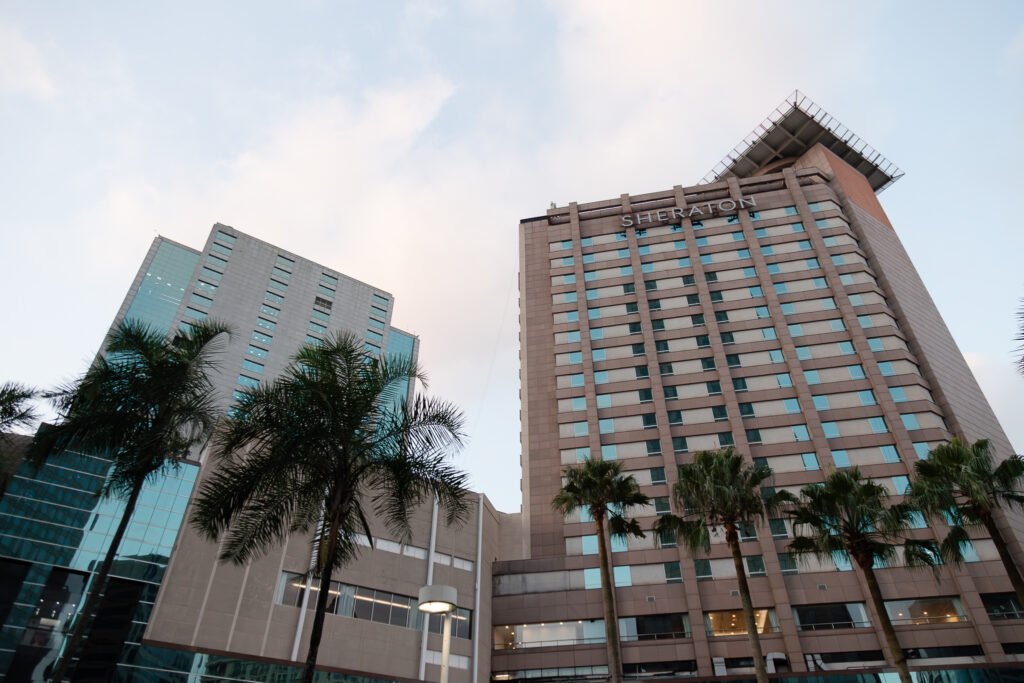
The WTC São Paulo Complex brings together WTC Events Center, Sheraton São Paulo WTC Hotel, WTC Business Tower and D&D Shopping in an integrated ecosystem of business, events, hospitality and services. This combination provides convenience, complete infrastructure and a distinctive experience for companies, event organizers and visitors.
Events for different generations: how to create experiences for every audience
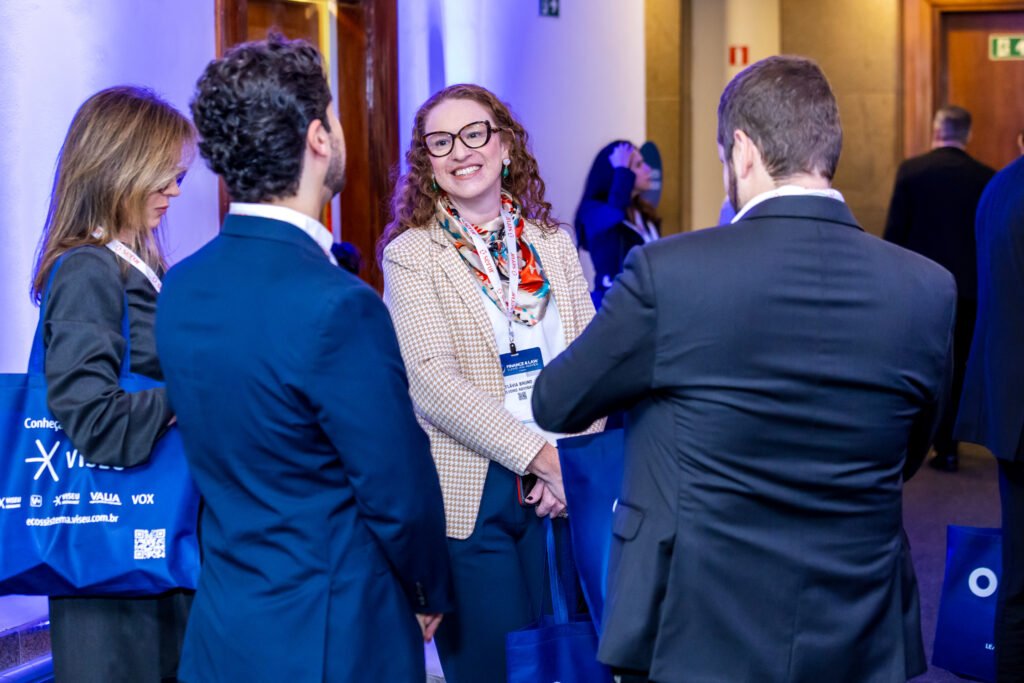
Corporate events increasingly bring together participants from different generations, each with their own expectations and ways of interacting. Therefore, creating inclusive experiences requires planning, effective communication, intuitive technology and versatile environments. In this article, we explain how to adapt events for diverse audiences without losing the identity of the program.
Father’s Day at Sheraton São Paulo: gifts that become unforgettable experiences
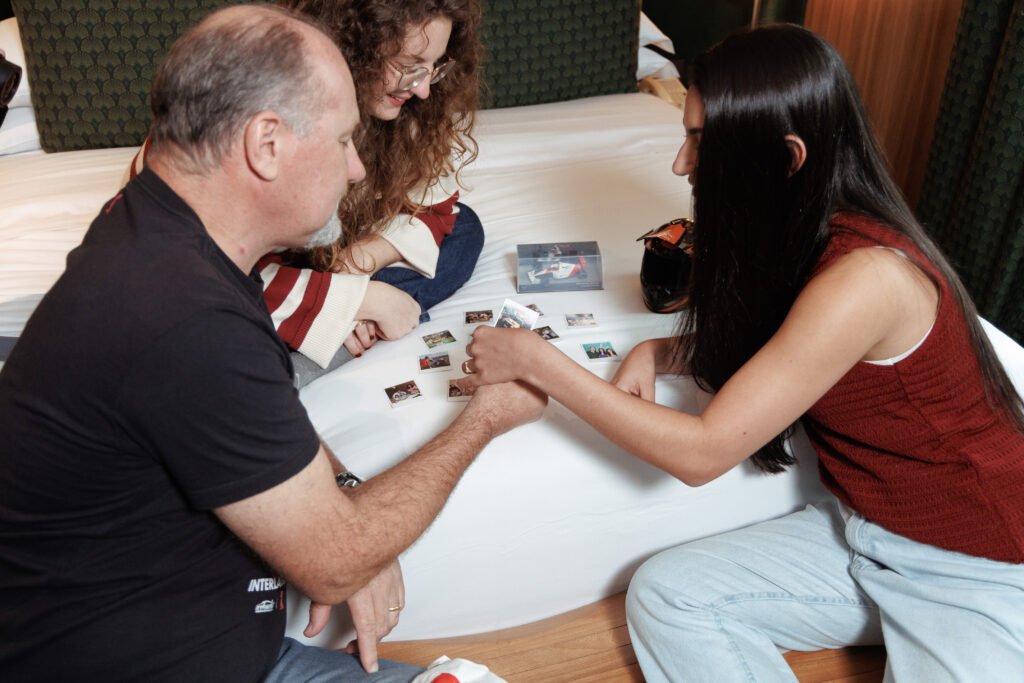
This Father’s Day, Sheraton São Paulo WTC Hotel presents two special experiences to celebrate the occasion. The Father’s Day Package offers a stay designed for relaxation and quality time together, while the São Paulo GP Package provides a complete experience for motorsport enthusiasts. Discover how to transform a gift into an unforgettable memory.
How to create a truly sustainable event
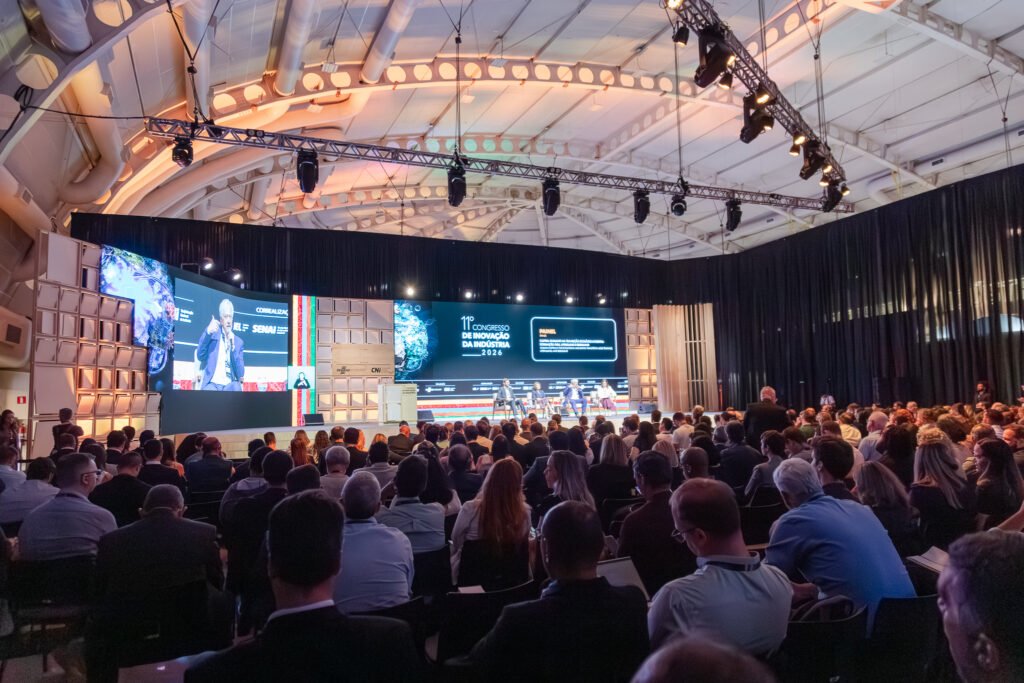
Creating a truly sustainable event goes far beyond reducing paper use or replacing disposable materials. Strategic planning, choosing committed partners and managing resources efficiently are essential to reducing environmental and operational impacts. In this article, we show how small decisions can generate significant results without compromising the participant experience.