
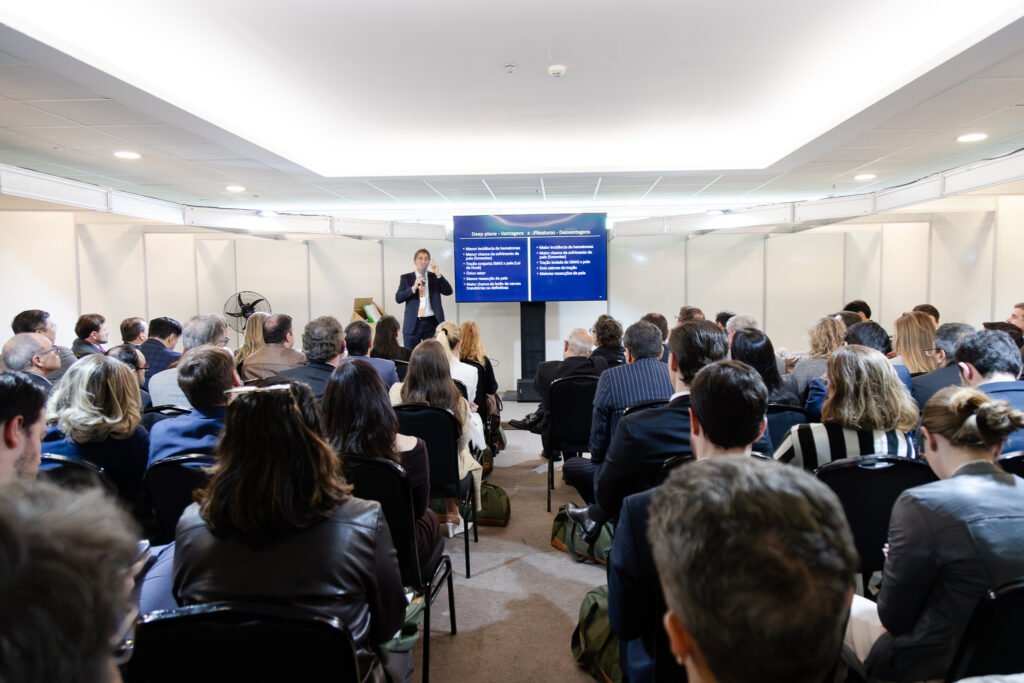
Modular Events: How to Create Multiple Formats Within a Single Venue has become an increasingly relevant topic for companies looking to deliver more complete and dynamic event experiences. Today, corporate events rarely consist of a single format. Instead, they commonly combine keynote presentations, workshops, exhibition areas, breakout meetings, brand activations, and networking opportunities within the same program.
In this context, choosing the right venue is no longer just about capacity. It becomes a strategic decision that directly influences the event’s success. The more flexible the venue, the greater the freedom to create experiences aligned with the goals of the program.
What are modular events?
Modular events make use of the same venue in different ways throughout the program. Rooms can be expanded, divided, or reconfigured to meet the needs of each stage of the event.
In practice, this means the event can begin with a general session for all attendees and then transition into smaller rooms for workshops, training sessions, concurrent panels, or focused meetings.
Beyond creating a more dynamic agenda, this format minimizes unnecessary movement and improves attendee flow, making the overall experience smoother and more enjoyable.
More possibilities for your program
Modularity significantly expands programming possibilities.
While a keynote presentation takes place in the main auditorium, additional activities can run simultaneously in adjacent meeting rooms. At conferences, this setup allows organizers to create thematic tracks for different audience profiles. At corporate conventions, it enables exclusive sessions for leadership teams, clients, partners, or specific departments.
As a result, the event can serve multiple audiences without losing cohesion, delivering a more personalized and meaningful experience.
Better use of infrastructure
Another major advantage is the optimization of available space.
By adapting room configurations to each stage of the program, organizers avoid oversized or underutilized areas. Consequently, the venue’s infrastructure is used more efficiently, improving operational performance while enhancing the attendee experience.
In addition, modular spaces provide greater flexibility for last-minute adjustments, allowing organizers to respond quickly to changes without disrupting the event.
Integrating multiple event formats
Today’s events require versatility. A single agenda may include keynote sessions, panel discussions, product exhibitions, interactive experiences, and networking opportunities.
When a venue supports multiple configurations, it becomes much easier to integrate these formats into one cohesive journey. Participants enjoy a more seamless experience, while organizers gain the flexibility to design programs that perfectly match their objectives.
Planning with greater flexibility
Modularity offers one of the most valuable advantages in event planning: the freedom to adapt each space according to the audience and the program.
At the WTC Events Center, venues such as the Golden Hall, Ballroom, São Paulo Rooms, and numerous modular meeting spaces make it possible to create multiple configurations within a single event. This versatility accommodates everything from executive meetings and training sessions to congresses, conventions, and large-scale corporate events.
Because, in many cases, the success of an event lies precisely in the ability to transform one venue into multiple experiences.