
How to plan efficient events without sacrificing the participant experience is one of the biggest challenges facing companies and event organizers. In many projects, efficiency is associated only with cost control, logistics, and meeting deadlines. While these elements are essential, focusing exclusively on them can compromise what truly makes an event memorable: the experience of the people attending it.
Fortunately, efficiency and quality go hand in hand when planning considers both the organizer’s objectives and the participant’s journey. In this way, it is possible to optimize resources without giving up comfort, interaction, and meaningful results.
Start with the event objectives
Before selecting a venue, suppliers, or event format, it is important to clearly define the purpose of the gathering.
Is the event designed to strengthen networking, share knowledge, bring teams together, or introduce a new product? The answer to this question guides every decision that follows.
When objectives are well defined, planning becomes more focused and prevents investments in elements that contribute little to the desired outcome. In addition, it becomes easier to allocate resources to what truly adds value to the participant experience.
Plan the entire participant journey
The experience does not begin when the first presentation starts. It begins the moment participants receive the invitation, search for information, complete registration, and arrive at the venue.
For this reason, it is worth analyzing the entire journey. Is access simple? Is the location convenient? Does the signage clearly guide attendees? Are the breaks sufficient? Are there comfortable spaces for networking?
Although these may seem like small details, they have a direct impact on the perception of quality. In many cases, small improvements generate greater impact than significant investments in isolated initiatives.
Simplify operations
In most cases, efficiency is closely linked to reducing complexity.
Centralizing suppliers, choosing venues with integrated infrastructure, and minimizing internal movement make operations more organized and reduce the likelihood of unexpected issues.
In addition to making the organizers’ work easier, this level of integration creates a smoother experience for participants, allowing them to enjoy every stage of the program more fully.
Value moments of connection
Presentations are not always the moments participants remember most. Conversations during coffee breaks, spontaneous meetings, and informal exchanges often become the most valuable experiences.
For this reason, it is important to dedicate both time and appropriate spaces to encourage these interactions. Environments designed for networking foster new connections, strengthen relationships, and increase the perceived value of the event.
Use technology to simplify the experience
Technology should make processes easier, never more complicated.
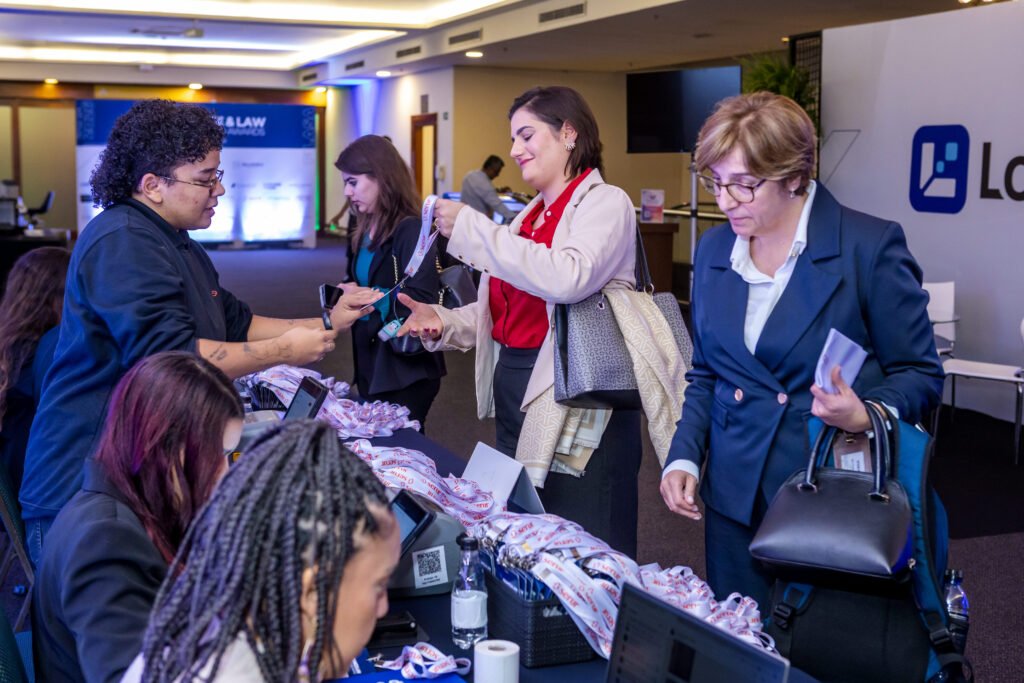
Fast registration, reliable audiovisual systems, event apps, and communication tools help create a smoother and more intuitive participant journey. When used strategically, technology reduces waiting times, improves organization, and increases attendee satisfaction without adding unnecessary operational complexity.
Efficiency and experience go hand in hand
Well-planned events successfully balance operational control with participant satisfaction. When every decision considers both the organization’s objectives and the audience’s experience, the results tend to be more consistent and long-lasting.
At the WTC Events Center, companies find versatile spaces, integrated technology, and specialized support to transform efficient planning into memorable experiences. After all, a successful event is not only one that runs smoothly behind the scenes, but also one that leaves every participant with a lasting positive impression.