
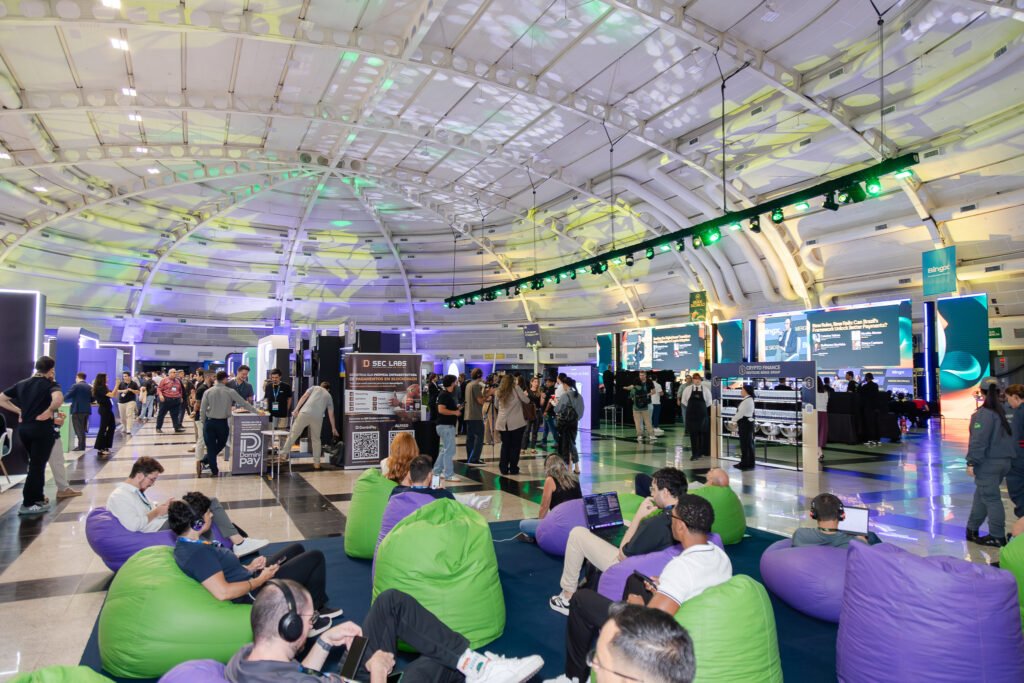
Modular events transform corporate experiences by bringing more flexibility, dynamism, and efficiency to business event planning. For a long time, corporate events followed rigid formats, concentrating the entire agenda in a single environment and within one type of experience. Today, however, companies seek more complete experiences capable of serving different audiences and objectives within the same event.
It is precisely in this context that modular events are gaining space. The proposal consists of using the same complex to accommodate different formats throughout the program, such as plenary sessions, workshops, breakout rooms, and networking areas. As a result, the event becomes more dynamic and creates more strategic journeys for participants.
In addition, modularity allows better use of space, optimizes resources, and expands interaction opportunities.
How to structure an event with multiple formats
Planning is the starting point for an efficient modular event. Before defining rooms and layouts, it is important to understand which experiences make sense within the program and how each moment connects with the others.
Plenary sessions, for example, work well for keynote presentations, general alignments, and strategic content. Smaller rooms, on the other hand, allow for deeper discussions on specific topics, segmented training sessions, or more focused meetings.
At the same time, networking and social areas complement the experience. These spaces create strategic pauses for interaction, strengthen connections, and help maintain engagement throughout the event.
Another decisive factor is operational flow. The transition between different moments must happen in an organized way. Therefore, clear signage, efficient circulation, and well-coordinated logistics make all the difference in avoiding unnecessary movement and maintaining the rhythm of the schedule.
In addition, technology plays a fundamental role. Integrated audiovisual resources, simultaneous broadcasting, and stable connectivity allow different activities to happen at the same time without compromising the quality of the experience.
Versatility as a strategic advantage
Modular events offer benefits for both organizers and participants. For companies, the format brings greater flexibility to adapt the schedule in real time and meet different audience profiles. For guests, the experience becomes more personalized and dynamic.
This approach also improves the use of available infrastructure. Instead of limiting the event to a single format, modularity expands possibilities and increases delivery potential.
Furthermore, modular meetings balance content, interaction, and networking more naturally, creating a smoother and more memorable experience.
At the WTC Events Center, the versatility of the spaces allows companies to structure events with multiple formats in an integrated way. With adaptable environments, advanced technology, and specialized operations, businesses can create experiences aligned with the content, audience, and strategic goals of each event.