
Breaks are also strategy in corporate events and directly influence the performance and outcomes of a meeting. In many event plans, attention is focused on content, speakers, and technical structure. However, the way breaks are designed impacts attention levels, engagement, and the overall perception of event quality.
A continuous schedule without well-defined breaks tends to generate fatigue and reduce the ability to absorb information. On the other hand, when breaks are strategically planned, they create moments of recovery, stimulate connections, and help maintain a consistent rhythm throughout the day.
Smart scheduling and event flow
The balance between content and breaks is one of the main pillars of an efficient agenda. When the schedule is too dense, the audience loses energy and focus. In contrast, a well-distributed program maintains interest and sustains attention for longer periods.
In addition, strategic breaks allow participants to process the content presented, organize ideas, and prepare for the next stages. At the same time, these moments encourage meaningful conversations and informal exchanges, which often generate valuable business connections.
Another important factor is event flow. Well-positioned breaks prevent overcrowding in specific areas, facilitate circulation, and contribute to a more organized operation. This level of attention reinforces professionalism and improves the overall experience.
Catering as part of the experience
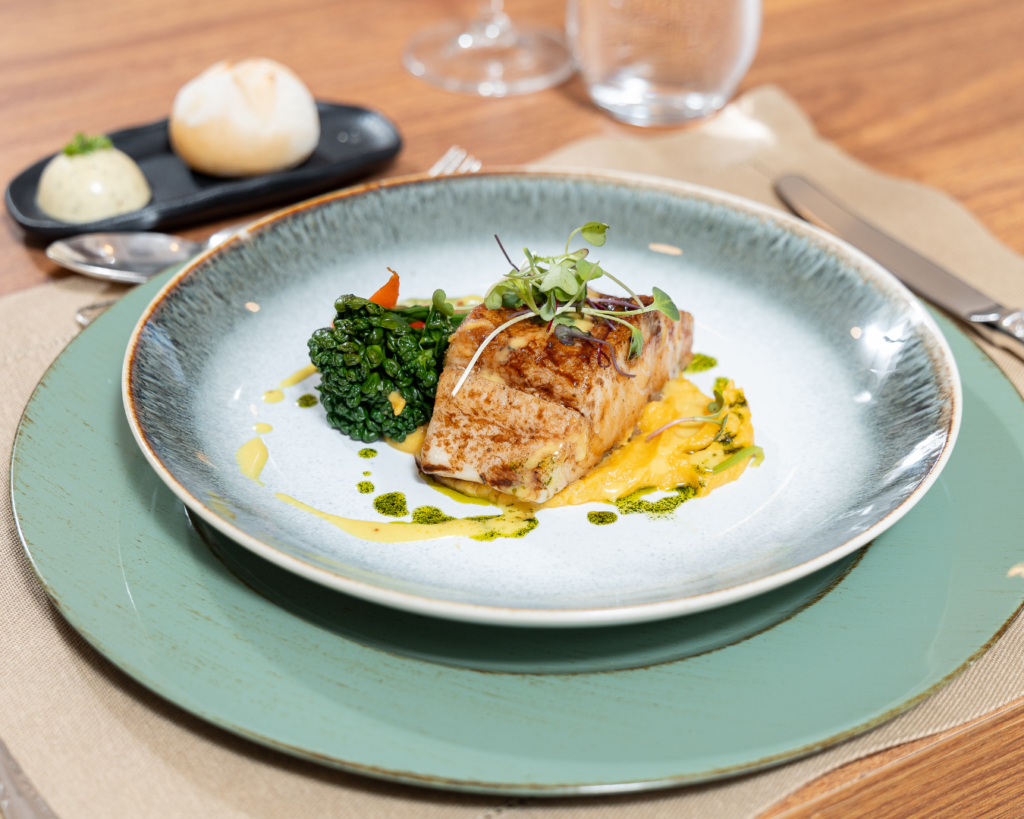
Catering plays a central role during these intervals. Coffee breaks, lunches, and food stations are not just support elements but active parts of the event experience.
When the menu is well planned and aligned with the audience profile, it helps create a more welcoming and enjoyable environment. In addition, food presentation, layout of service areas, and variety of options directly influence participant satisfaction.
A strategic catering offering also encourages longer stays and interaction. At the same time, it can create standout moments within the program, making the event more dynamic and engaging.
When scheduling and catering work together, the event becomes more fluid and balanced. As a result, participants feel more comfortable, remain engaged, and make better use of each stage of the experience.
At the WTC Events Center, versatile environments, integrated operations, and catering solutions work together to ensure that every moment contributes to the final outcome. In well-planned events, even the break is part of the strategy.